A Guide to Understanding and Easing Dog Anxiety
Dogs, our loyal companions, can experience anxiety just like humans. Recognizing the signs and understanding the different types of anxiety is crucial for ensuring the well-being of our furry friends. In this guide, we’ll delve into the various forms of dog anxiety and explore natural solutions, including the use of essential oils. Dog anxiety can manifest in various ways, impacting both the pet and its owner. Understanding the causes and implementing effective strategies to alleviate anxiety is crucial for ensuring the well-being of our furry friends.
Causes of Dog Anxiety
- Separation Anxiety: Dogs are social animals that thrive on companionship. When left alone for extended periods, they may experience separation anxiety. Symptoms include destructive behavior, excessive barking, and house soiling.
- Loud Noises and Phobias: Dogs can develop fears and phobias related to loud noises such as thunderstorms, fireworks, or construction sounds. These situations can trigger anxiety and stress.
- Changes in Environment: Moving to a new home, changes in the household, or even rearranging furniture can disrupt a dog’s sense of security, leading to anxiety.
- Traumatic Experiences: Dogs, like humans, can suffer from post-traumatic stress disorder (PTSD) after experiencing a traumatic event such as abuse, accidents, or severe illness.
- Lack of Socialization: Insufficient exposure to different environments, people, and other animals during a dog’s early developmental stages can contribute to anxiety in unfamiliar situations.
Strategies for Dealing with Dog Anxiety
- Create a Safe Space: Designate a quiet and comfortable area where your dog can retreat when feeling anxious. This could be a crate, a cozy bed in a corner, or a specific room.
- Gradual Desensitization: Expose your dog to anxiety triggers in a controlled and gradual manner. For example, play recorded thunder sounds at a low volume and gradually increase it as your dog becomes more accustomed.
- Regular Exercise: Physical activity is essential for a dog’s mental and emotional well-being. Regular walks, playtime, and interactive toys can help release pent-up energy and reduce anxiety.
- Establish a Routine: Dogs thrive on routine and predictability. Establish a consistent daily schedule for feeding, walks, playtime, and bedtime to create a sense of stability.
- Behavioral Training: Enlist the help of a professional dog trainer to address specific behavioral issues contributing to anxiety. Positive reinforcement techniques can be particularly effective.
- Calming Products: Consider using calming products, such as pheromone diffusers, anxiety wraps, or herbal supplements, to help soothe your dog’s nerves.
- Veterinary Consultation: If your dog’s anxiety persists or worsens, consult with a veterinarian. They can rule out underlying health issues and recommend medication or other interventions.
Using Essential Oils to Alleviate Dog Anxiety:
Here at EO Garage, A Guide to Understanding and Easing Dog Anxiety would not be complete without some essential oil recommendations to make you and your friends’ life easier. See our recommended list below and check your tool kit for a good diffuser.
EO Tool Kit Needs For: A Guide to Understanding and Easing Dog Anxiety
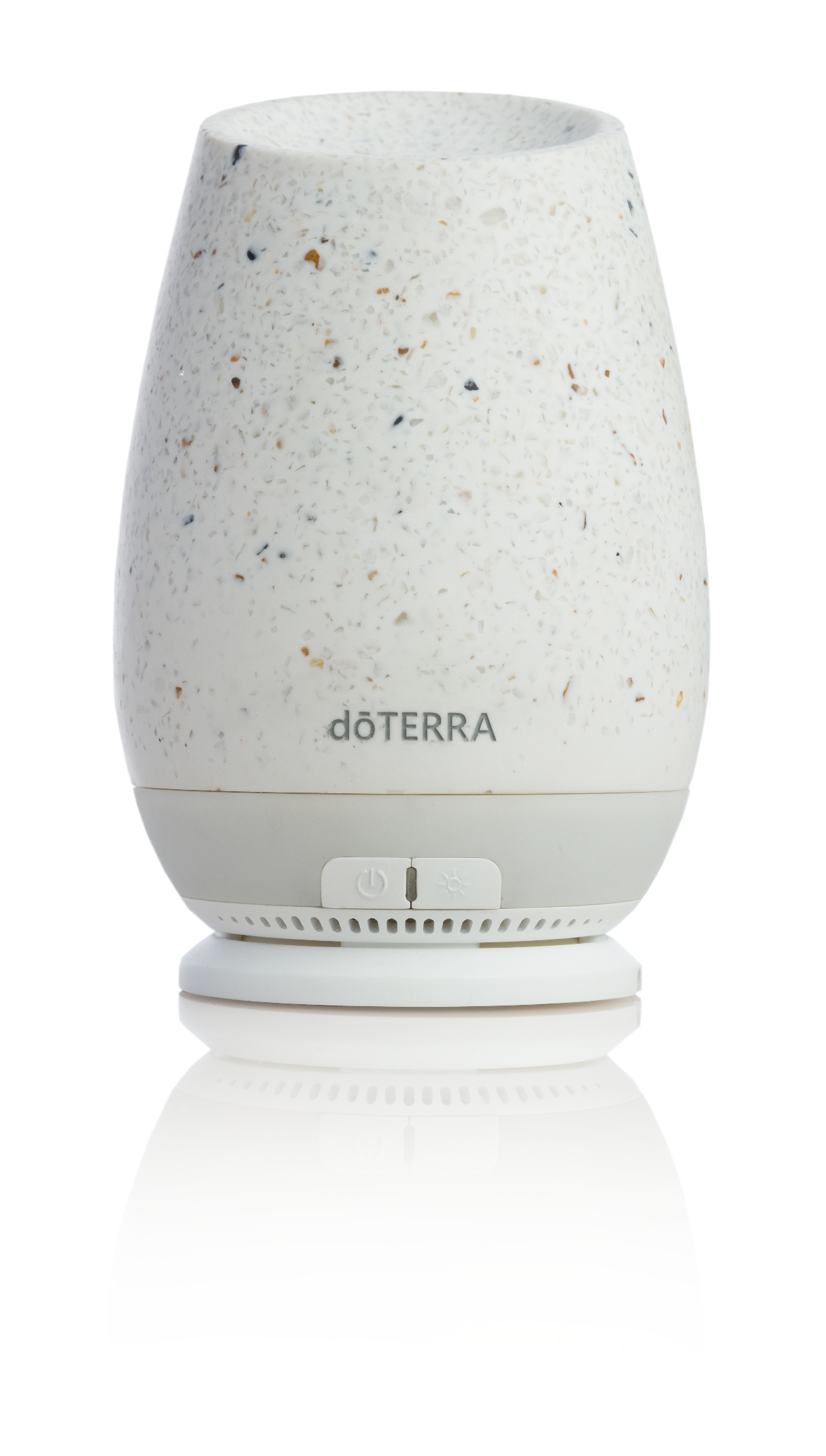
Essential Oil Diffuser
When using essential oils around your beloved pets, it’s important to incorporate a diffuser into your routine. A diffuser disperses the oils into the air, ensuring a gentle and safe distribution throughout your home. By using a diffuser, you can create a calming environment that promotes relaxation and reduces anxiety in your pets. The gentle aroma of essential oils can have a soothing effect on your furry friends, helping to alleviate stress and promote a sense of well-being. It’s crucial to prioritize the well-being of your pets and ensure their safety when using essential oils. When properly diffused, essential oils can be a valuable tool in creating a harmonious atmosphere for both you and your furry companions.



1. Lavender Oil:
Known for its calming properties, Lavender oil can be diffused or diluted for application on your dog’s collar to help reduce stress. If diluted with fractionated coconut oil, it can be rubbed by hand on the back and spine; if your dog likes the smell, you can apply a little to the upper outer ears; this helps with itching as well. Keep an eye on your dog to make sure they don’t have any reaction.
2. Roman Chamomile Oil:
With its soothing effects, Roman Chamomile can be diluted with a carrier oil and massaged onto your dog’s neck or diffused in the room.
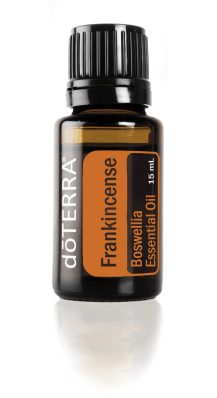
3. Frankincense Oil:
Known for its calming and grounding effects, Frankincense oil can be diffused or diluted for topical application on your dog’s paws or collar
4. Breath oil
Breath essential oil from Doterra can be diffused in the house; it is great for respiratory and can help calm breathing at any time. One to two drops in your diffuser should be enough..
Important Considerations:
- Dilution: Always dilute essential oils to prevent skin irritation.
- Observation: Monitor your dog for any adverse reactions.
- Consultation: Consult with your veterinarian before introducing essential oils, especially if your dog has pre-existing health conditions.
Understanding and addressing dog anxiety is a crucial aspect of responsible pet ownership. By recognizing the signs and employing a combination of behavioral strategies and natural solutions like essential oils, you can help your furry companion lead a happier, more relaxed life. Remember, each dog is unique, so patience and consistency are key as you tailor these methods to suit your dog’s individual needs
Explore More Articles about Essential Oils and Pets

Peppermint Oil and Dogs: Essential Tips for Every Caring Pet Parent Guide
Peppermint Oil and Dogs: Essential Tips for Every Caring Pet Parent's Guide Essential Tips for Every Caring Pet Parent Guide. As a devoted pet parent and essential oil enthusiast, I understand the journey many of you are on. Essential oils, like peppermint, have...

Paws, Purrs, and Potions: Embarking on the Feline Fascination Cats and Essential Oils Unveiled
A Deep Dive Into Cats And Essential OilsCat lovers and essential oil enthusiasts alike, to a purr-fectly delightful exploration of the intriguing relationship between our beloved feline friends and the aromatic wonders of essential oils! From whiskers to wags, cats...

Wave Goodbye to Ear Irritation: Your Dog Ear Itch Guide Awaits!
Soothing Itchy Ears: A Guide to Effective Treatment and the Power of Essential Oils. Understanding Your Furry Friend's Struggle: Dog Ear Itch Guide Every devoted dog owner knows the frustration that comes with watching their beloved companion endlessly scratch their...
Free Essential Oils & Safety for Pets Guide
The number one question people ask when it comes to essential oils and pets is, "Are they even safe?" Veterinarian, Dr. Janet Roark has an awesome resource that explains everything we need to know! And the best part is… it’s free! I love this guide so much and I feel like it’s going to help you and animals just like yours. It’s going to stop a lot of fear that’s out there.
In this guide, Dr. Roark busts essential oil myths, shares her best techniques, and shares her secrets on diffusing safely regardless of what type of animal you are caring for.

This guide includes:
- Introducing oils to your pet
- How to use essential oils
- Diffusing oils safely around animals
- Top 10 essential oils for animals
- Using oils safely with dogs
- Using oils safely with cats
- Using oils safely with birds
- Using oils safely with rabbits (and more)
- Reptiles, amphibians, and fish
- Horses, cattle, and Goats
- Myth-busting: the truth about essential oils and pets
- Do’s and don’ts and other safety tips
- Dilution guide for topical use