A Guide to Safely Using Essential Oils for Pets
Essential oils can be a wonderful tool for supporting your pet’s well-being when used responsibly. However, it’s crucial to remember that pets are more sensitive to these potent substances than humans. Dilution is key, as improper use can lead to irritation or more serious health issues. Below, we outline safe dilution ratios, carrier oils, and application tips to help you keep your furry friend happy and healthy.
Standard Dilution Ratios
The appropriate dilution of essential oils varies based on your pet’s size and condition. Use the following guidelines to determine how much essential oil to use

Large Dogs
( over 50lbs )
1 drop essential oil to 1 tablespoon carrier oil (3)

Medium dogs
( 15-50lbs )
1 drop essential oil to 2 tablespoons carrier oil (3).

small dogs
( under 15lbs )
1 drop essential oil to 3 tablespoons carrier oil (3).

Recommended Carrier Oils
Carrier oils are necessary to dilute essential oils and make them safe for use on pets. Some of the safest options include:
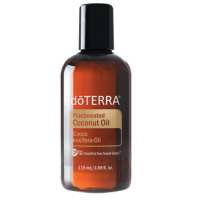
Fractioned coconut oil
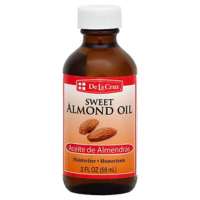
Sweet almond oil
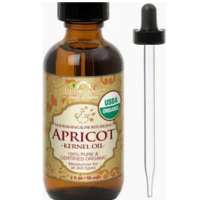
Apricot kernel oil
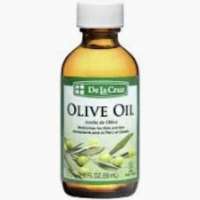
Olive oil
Application Guidelines
When using essential oils for pets, follow these best practices:

Perform a Patch Test
Before applying a new oil, test a small diluted amount on your pet’s skin to check for sensitivity.

Never Use Undiluted Oils
Essential oils are highly concentrated and should always be diluted before application.

Allow Your Pet to Choose
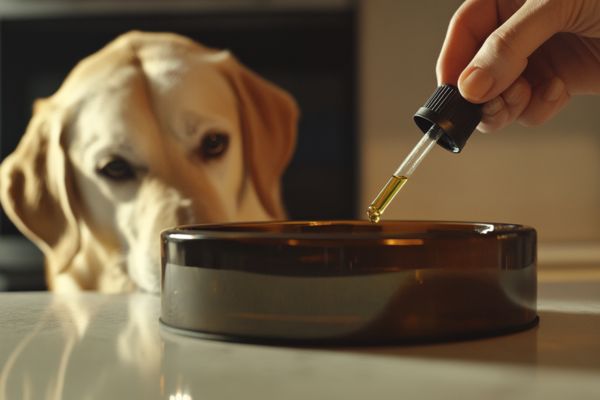
Let your pet decide if they like the oil. Place a diluted sample nearby and observe their reaction. If they walk away or seem uncomfortable, choose a different oil.

Double the Dilution for Sensitive Cases
For senior pets or those under 20 pounds, reduce the concentration by half to minimize the risk of irritation.

Monitor for Reactions
If your pet shows signs of discomfort, such as scratching, redness, or lethargy, stop using the oil immediately and consult your veterinarian (4).
Safety Precautions
While essential oils can offer benefits, safety should always come first:
- Use only pet-safe oils, and avoid toxic varieties like tea tree or wintergreen
- Keep oils out of reach of curious pets to prevent accidental ingestion.
- Never diffuse oils in an enclosed space; always allow pets to move away if they choose.
Disclaimer
This article is intended for informational purposes only and should not replace professional veterinary advice. Always consult your veterinarian before using essential oils on your pets, as individual needs and sensitivities may vary.
By following these guidelines, you can safely explore the benefits of essential oils for your pet while ensuring their comfort and well-being. Remember, when in doubt, less is more!
Citations:
- https://www.dogsnaturallymagazine.com/dangers-undiluted-essential-oils-dog/
- https://dogly.com/posts/making-essential-oils-safe-for-your-dog-dilution-chart
- https://franklintnvet.com/3-ways-to-use-essential-oils-on-your-dog/
- https://www.pawromatherapy.com/blog/2020/3/8/how-to-use-essential-oils-safely-in-pets
- https://skiptown.io/four-ways-to-use-essential-oils-with-dogs/
Explore More Articles about Essential Oils and Pets

The Power of Downshift Book
I wrote The Power of Downshift specifically for men between 25 and 60 who are tired of running on empty but aren’t quite sure how to stop.

Is Lavender Oil Safe for Dogs? A Straight Answer
Is Lavender Oil Safe for Dogs? A Straight Answer Is Lavender Oil Safe for Dogs? Short answer: Yes, for most dogs, a few drops of lavender in a diffuser, in a room with fresh air, is generally fine. Putting oil straight on the skin or letting a dog swallow it is NOT....

Peppermint Oil and Dogs: Essential Tips for Every Caring Pet Parent Guide
Peppermint Oil and Dogs: Essential Tips for Every Caring Pet Parent's Guide Essential Tips for Every Caring Pet Parent Guide. As a devoted pet parent and essential oil enthusiast, I understand the journey many of you are on. Essential oils, like peppermint, have...