Unlocking the Power of Essential Oils: A Comprehensive Guide
How Do I Use Essential Oils?
If you’re curious about essential oils—what they are, where they come from, and how to use them effectively—this guide is here to provide you with a thorough understanding. Let’s embark on a journey to explore the origins, uses, and optimal methods for incorporating essential oils into your daily life for maximum benefits.
Understanding Essential Oils: A Gift from Nature

- Ancient civilizations had a deep understanding of the benefits and versatility of plants. They utilized various parts of plants, including leaves, flowers, stems, roots, and extracts, for a wide range of purposes. From textiles to remedies, they believed that nature provided them with everything they needed to address their challenges.
- In modern times, technology and synthetic products have become prevalent, leading to a shift away from natural solutions. However, there has been a resurgence of interest in natural alternatives, including the use of essential oils.
- Essential oils have gained popularity in recent years due to their natural properties and diverse uses. They are concentrated extracts derived from plants and contain the distinctive aromas and beneficial compounds of the source plant. Many essential oils are believed to have therapeutic properties and can be used for cooking, bathing, beauty, and health purposes.
- One of the advantages of essential oils is that they are considered safe and effective when used appropriately. However, it’s important to note that they should be used with caution and according to recommended guidelines, as they can be potent and may cause adverse reactions if misused.
- The unique and beautiful aromas of essential oils have also contributed to their popularity. The scents can evoke various emotions, create a pleasant atmosphere, and even be used in aromatherapy for relaxation and well-being.
- While technology has undoubtedly made life easier in many ways, the increased reliance on synthetic products has led to concerns about environmental impact, health effects, and a decline in overall quality of life in certain areas. Essential oils offer a natural alternative that aligns with the ancient belief in the gifts of the earth and provides a connection to nature in our modern lives.
The Production Process Unveiled
Essential oils are intricate and chemically complex compounds found in various plant parts. They serve not only as aromatic elements but also as defense mechanisms for plants against predators. The production of essential oils involves various methods, with distillation being a common technique. Distillers carefully control factors like temperature, distillation time, and pressure to extract the oils efficiently. Expression, or cold-pressing, is another method, particularly used for citrus essential oils.
Key Points
- Essential oils exist in seeds, stems, roots, barks, flowers, fruits, and other parts of plants, even though they are not visible to the naked eye.
- Their intricate chemical properties make essential oils a fascinating subject.
- The aroma of essential oils can help repel insects and herbivores, serving as a natural defense mechanism for plants.
Exploring Methods of Use: Aromatic, Topical, and Internal
Aromatic Use: As Easy as Breathing
Using essential oils aromatically is a simple and enjoyable way to experience their benefits. Diffusion is an effective method, transforming oils into a fine mist for prolonged dispersion. Alternatively, inhaling the oil directly or placing a drop in your hands can provide desired effects.
Consider diffusing specific oils in different areas of your home to create customized environments based on your needs.
Topical Use: Harnessing the Power of Touch
Applying essential oils topically is safe and effective. Massages or post-workout routines can benefit from oils with cooling or warming properties. Dilution with a carrier oil like Fractionated Coconut Oil is crucial to maintain potency and prevent skin sensitivities.
Internally: Exploring the Inner Benefits
Using essential oils internally offers unique benefits for the body. When ingested, oils directly enter the bloodstream, affecting overall well-being. However, moderation is key, and essential oils should only be consumed in appropriate doses.
Explore internal use by adding a drop of Lemon oil to water for a refreshing alternative or enhancing the flavor and antioxidant benefits of water with Lime oil.
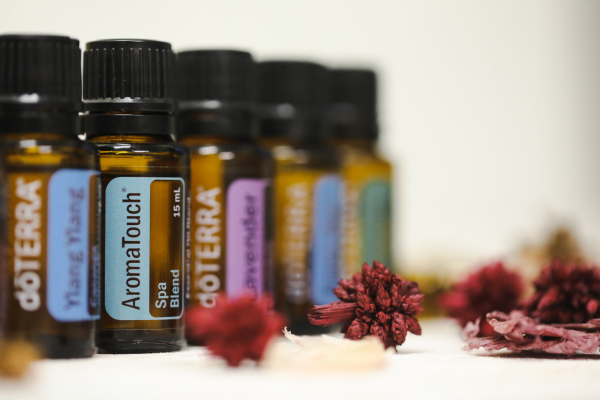
Building Your Essential Oil Tool Kit: A Comprehensive Guide to Effective Essential Oil Use
Stock Up Your Essential Oil Garage Today!


Explore More Articles about Essential Oils Basics
How to Clean an Essential Oil Diffuser Safely: A Simple Step-by-Step Guide
There’s something comforting about coming home at the end of a long day, turning on your diffuser, and letting the scent of cedarwood, bergamot, or frankincense settle over the house. It’s a small ritual that tells your body the day is done and it’s okay to relax....

Essential Oils for Pets: Safe Dilution Ratios and Application Tips
A Guide to Safely Using Essential Oils for PetsEssential oils can be a wonderful tool for supporting your pet’s well-being when used responsibly. However, it’s crucial to remember that pets are more sensitive to these potent substances than humans. Dilution is key, as...
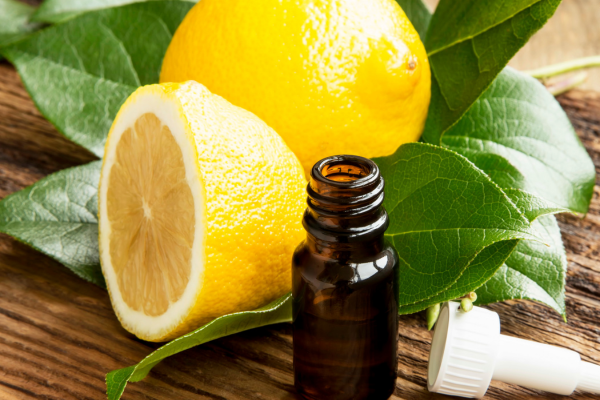
Top 5 Uses for Lemon Essential Oil
Lemon essential oil is a versatile and widely used oil that offers numerous benefits across various aspects of our lives.Whether it's for aromatherapy, cleaning, skincare, flavoring, or household applications, lemon essential oil has proven itself as a highly valuable...